
Small Business CPA Dallas Alternativesmall business CPA Dallas.One company gets a close every month.
You keep the payroll login. We set payday up, and we prepare the return only after the bank statement matches. The monthly note for this one company is Steven Palmieri's work as Tax CFO and as the Entrepreneur's CFO.


One company is enough.
Nobody should tell you a company is too small to close.
Click to see the shop ›Tap to see the shop ›
The close comes first.
We close a month only when the statement and the books show the same dollars.
Click to see the close ›Tap to see the close ›
The year waits on closed months.
Every month on the year has to match the bank before a number is typed.
Click to see the return ›Tap to see the return ›
We set payroll up for you.
Paychecks leave from the payroll company already on the owner's login.
Click to see payday ›Tap to see payday ›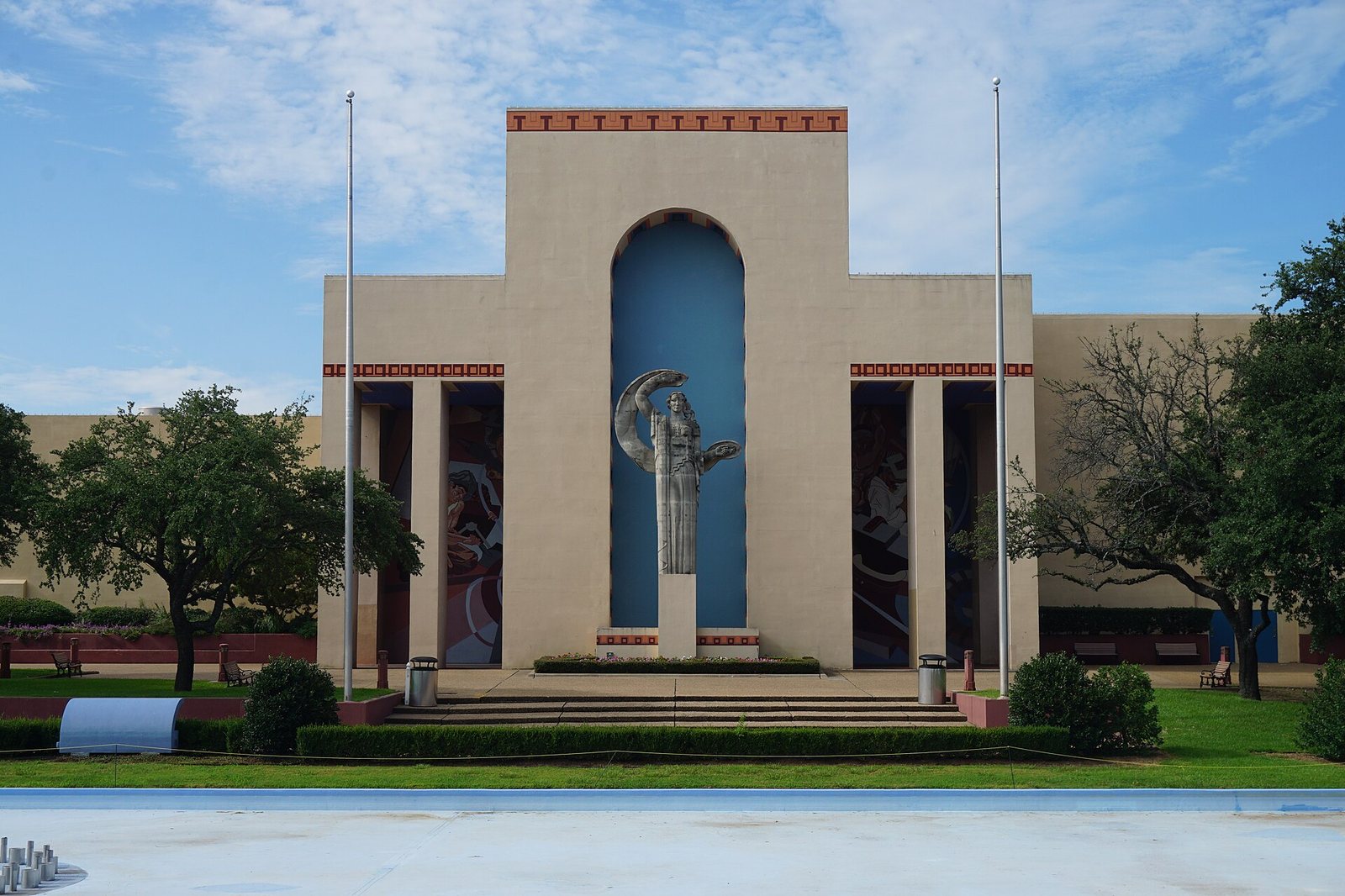
The dates the city already printed.
Sales tax on the 20th, the franchise report in May, the Dallas CAD rendition in April.
Click to see the dates ›Tap to see the dates ›
A person answers.
Steven Palmieri and the team read the month with you. The practice is in Dallas.
Click to see who answers ›Tap to see who answers ›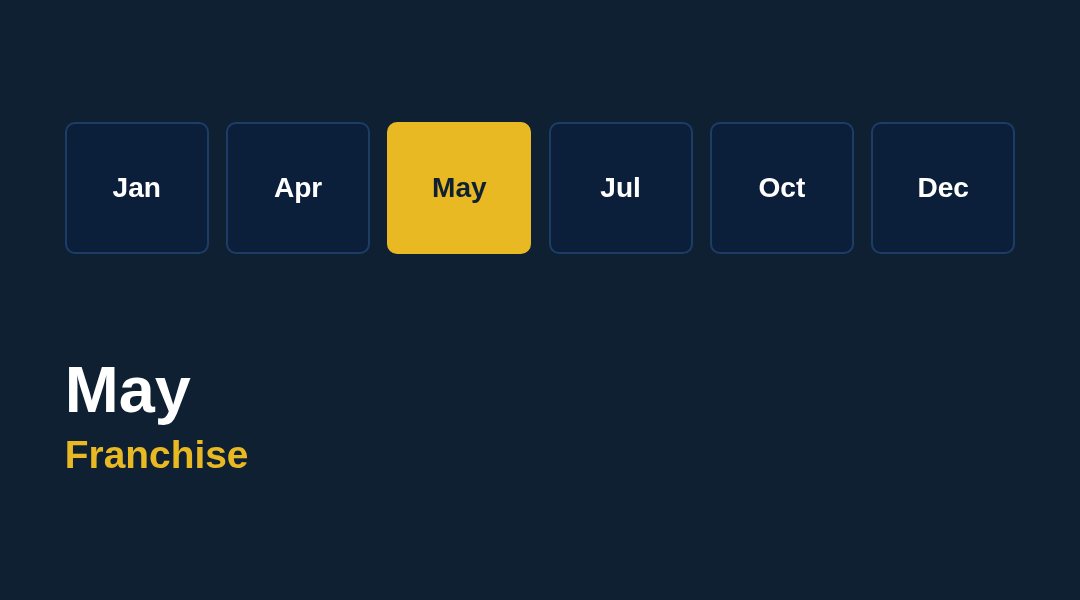
Six months, one event each.
January holds the wage forms. April holds the equipment list. May holds the franchise report. The clip lights those months in turn.
Six months for one small company.
Open a month. The note names the single event that month holds for this one company.
1January
Wage forms for the people the company already pays, including the owner who works in it.
We set the figure. The payroll company you run sends the forms.
2April
The Dallas CAD rendition, the equipment list the appraisal district asks for in April.
We pull that list from the closed months, so the equipment already has a name before April.
3May
The franchise report, the May window a Texas company already has on the calendar.
The May report and the return have to share one closed year, or neither is finished.
4July
The estimate, a payment sized from the year so far rather than from last April's memory.
We bring the closed months to that conversation before the payment leaves.
5October
Decisions that can still change the year, while the months from January on are already tied to the bank.
We sit with the owner and name the one decision the numbers can still support.
6December
The last close of the year, so January starts from a finished December.
December is closed to the statement before the year is treated as done.
 Click to read this ›Tap to read this ›
One company is a full close.
A shop with one owner and one bank account is the whole job, and we close that company every month. We name what the bank still does not match, and we leave the unmatched items written down instead of smoothing them into the profit.
Nobody should tell you a company is too small to close. The rotten afternoon is the one where a preparer says the file can wait until April because the revenue looks modest. Modest revenue still has a 20th, a payroll, and a year that ends. We treat that file as a full close. The close is the habit, and the return is what that habit makes possible.
 Click to read this ›Tap to read this ›
When the fair opens.
When the fair opens we enjoy it as much as you do, and when you see those 1930s buildings we wonder what book value is left on them.
The Automobile Building is the hall people stop to photograph, and it went up for the 1936 centennial on the east side of downtown. Standing in front of it we enjoy the arch as much as anyone with a camera. Then we ask the same question we ask about a company van. We ask what year its useful life started and whether the books still show it. That question is the April rendition for a company that owns equipment.
 Click to read this ›Tap to read this ›
White Rock is one circuit.
White Rock Lake is a loop we share with you. Every deposit gets a name before we close the month.
A lap that stops halfway is easy to remember as a full loop. A deposit that clears the bank without a name is the same kind of shortcut. We would rather stop the close and ask whose money it was than invent a category so the month looks tidy.
 Click to read this ›Tap to read this ›
The 20th is already on the calendar.
The sales tax day on the 20th is a date shops in Dallas already live with. We close the prior month before that day, so the sales-tax figure comes from a month that matches the bank statement.
Sales tax in Dallas includes a transit piece. That piece belongs in the deposit, named, before the 20th. We do not wait for the filing morning to discover that the deposit and the books describe two different totals.
 Click to read this ›Tap to read this ›
April asks what the company owns.
The Dallas CAD rendition lands in April, and we treat that date as a neighbor's calendar. The equipment list is ready because the close already named what the company owns.
A rendition that is copied forward from a year when the shop still had the old freezer, or had not yet bought the new one, is a list we will not sign our name under. The month the equipment moved is the month the list should have changed.
 Click to read this ›Tap to read this ›
The limit these pages keep.
These pages do not rule on your own company. The close, the wage, and the election all turn on facts we have not seen until you bring them. The pages name the monthly habit a small company can keep. They do not measure your bank, your payroll, or your basis.
On the first call we hold the file in the Tax CFO role. Returns and the months are prepared here, inside the limits the disclosures page already states. When a lender wants a signed cover, we name the handoff before the work starts.
The phone on this site reaches the same person who keeps the close. A note on the form is a note about the month, and a fee is named on a later page that lists the months and the price. Nothing is owed before that page.
Tell us which month is open
Name the month, and we will say whether that month can close.

You will be talking to the Steven Palmieri practice.